The Indian financial rails are badly documented. We have already shipped on them.
BSE Star MF order routing, direct CAMS and KFintech registrar integration, mutual fund transactions over ONDC, Value Research and CMOTS market data, e-NACH mandates, e-Sign and payment rails. Every integration on this page is running in production on a platform we built.
Integrations we have actually shipped.
Each one below has been built and put into production, with real credentials, real settlement files and the edge cases that only turn up once you are handling other people’s money.



 PHFL Home FinancePaygroNoren
Every rail, and what is difficult about it.
Endpoints are seldom the difficult part. Trouble arrives when one of them misbehaves. Below is each rail we run, what it does, and the part that usually costs a team its first month.
Transactions and order routing
Where the money actually moves. Order placement, mandate registration, settlement files, and the reconciliation that has to survive a failed batch.
BSE Star MF
Mutual fund order routing and settlementLump sum and SIP order placement, mandate registration, order status polling, and settlement file reconciliation. The order lifecycle is asynchronous and the failure states are not always documented, so we build idempotent submission with a reconciliation pass that catches orders the status API quietly drops.
CAMS and KFintech
Direct RTA transaction submission and feed retrievalDirect registrar integration, separate from exchange order routing. Transaction submission in both directions plus scheduled feed retrieval for folio, transaction and holding files. The two registrars format the same concept differently and neither file is self-describing, so the parsing layer has to be per-RTA and the reconciliation has to assume a feed will arrive late or partially.
Fintech Primitives
Mutual fund transactions over the ONDC networkTransactions through the Cybrilla Fintech Primitives platform onto the ONDC network, which decouples the buyer app from the seller app so a distributor is not locked into one closed stack. The protocol is asynchronous by design and callbacks arrive out of order, so the order state machine has to tolerate an update landing before the acknowledgement it belongs to.
Augmont
Digital gold buy, sell and vaultingLive price polling, buy and sell execution, and holding reconciliation for digital gold sitting alongside mutual fund holdings in one portfolio view. Price quotes expire in seconds, so the flow has to handle a quote going stale between the user tapping buy and the order reaching the vault.
Fund and market data
Scheme masters, NAV history and returns. High volume, slow to fetch, and the thing that makes portfolio screens feel fast or broken.
Value Research
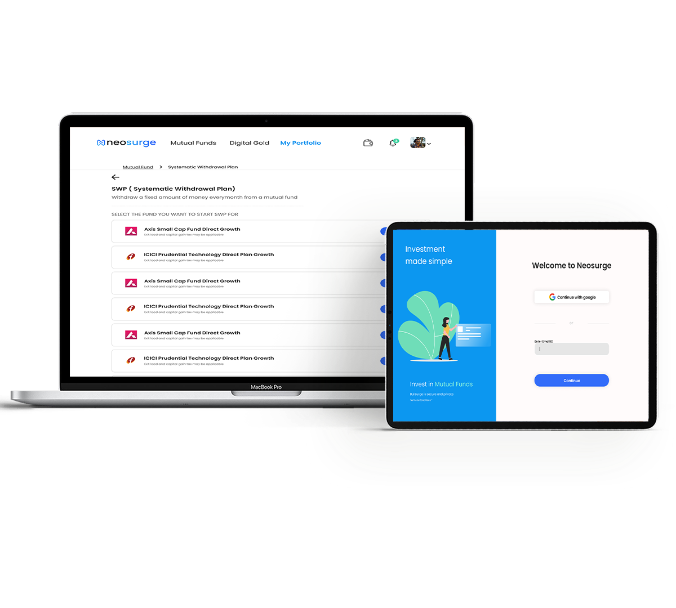
Scheme data, NAV history, returns and ratingsScheme master sync, NAV history, category returns and fund ratings. Calling it live on every portfolio render does not work, so we design a caching layer with predictable refresh windows that keeps portfolio screens responsive without serving investors a stale NAV.
CMOTS
Multi-asset market data across Indian capital marketsMarket data spanning equity, derivatives, commodities, mutual funds, IPOs and company fundamentals from a vendor empanelled with the exchanges. Useful when a product has outgrown fund-only data and needs one consistent source across asset classes. Stitching three vendors together leaves you reconciling three different scheme identifiers.
Money movement and mandates
Collections, recurring debits and bank verification. The rails where a silent failure costs the customer a SIP instalment.
e-NACH and bank mandates
Recurring debit authorisationMandate registration with bank selection, authentication routing and status tracking. Debit-card and net-banking authentication behave differently per bank and some banks fail without a useful error, so we ship an online flow with a physical mandate fallback that keeps the user moving.
Razorpay
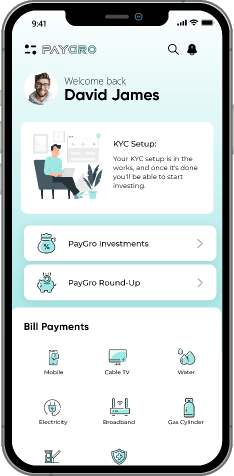
Payment collection and routingBill payment collection with round-up amounts routed onward into an investment order. Two systems have to agree on one transaction, so the webhook handling is signed, replayed and reconciled before the transaction is treated as settled.
BillDesk
Payment collectionCollection through one of the older and more widely bank-integrated gateways in the Indian market. Response handling is less forgiving than the newer gateways and the return leg carries most of the risk. Payment confirmation comes from the reconciliation job, which runs well after the redirect has already sent the user on their way.
Cashfree
Payment collection and payoutsCollections and outbound payouts where money has to move in both directions. Payout failures are asynchronous and sometimes reverse days later, so the ledger holds a payout as pending until the bank confirms it, which can be days after the API returned success.
Penny drop verification
Bank account ownership checkAccount validation before mandate registration or disbursement, with name matching against the applicant record. Name matching is fuzzy by nature, so the threshold and the manual review queue behind it matter more than the API call.
Identity, KYC and onboarding
Getting an investor or borrower verified without losing them halfway. Every extra screen here costs conversion, and every skipped check costs compliance.
Aadhaar-based verification
Identity verification during onboardingIdentity verification inside the onboarding journey, with the masking and consent handling the regulation requires. Built to degrade gracefully when the underlying service is down, because onboarding cannot simply stop.
e-Sign
Aadhaar-based document signingDocument signing for account opening, loan agreements and mandate authorisation. The signing session is short-lived and the callback can arrive after the user has closed the app, so the document state machine has to be resilient to an out-of-order return.
Regulatory and verification
The newest rails, and the ones most teams have not built against yet.
PaRRVA
SEBI past risk and return verificationSEBI operationalised the Past Risk and Return Verification Agency in 2026, run with NSE and CareEdge, so that performance claims made by registered intermediaries are verified against transaction data sourced from the exchanges and clearing corporations. Intermediaries cannot cherry-pick favourable periods. Most of the work sits in making sure the data you submit reconciles with what the exchange already holds.
Messaging and engagement
Reaching the customer on the channel they actually read, without tripping over template rules.
MSG91
Transactional SMS, email and OTPTransactional SMS, OTP delivery and email for onboarding, authentication and status notifications. DLT template registration governs what can be sent and an unregistered variable will silently fail delivery, so the template inventory is built and approved alongside the code.
WhatsApp Business
Transactional and collection messagingTemplate-based transactional messaging for onboarding progress and collection reminders. Template approval and per-category rate limits shape what you can send, so the message design has to be settled before the code is written.
The four things that decide whether an integration survives contact with production.
These are not optional extras we quote separately. They are the reason an integration still works six months after launch.
Idempotency and retries
Financial rails time out mid-request. Every write is keyed so a retry cannot place a second order, register a second mandate or trigger a second payout.
Reconciliation closes the loop
Settlement files and end-of-day reconciliation are what confirm a transaction. They catch everything the synchronous status response quietly missed.
Sandbox and production drift
Test environments rarely match production behaviour on Indian financial rails. We plan for the gap and validate against real files before go-live.
Audit trail by default
Every request, response and state change is logged in a form an inspection can read. Retrofitting this after a regulator asks is considerably more expensive.

The collaboration, technical expertise, and dedication shown throughout the project were commendable. Mindstack delivered a product that aligned with our vision.
Platforms where these rails are carrying real volume.



Findola Capital1L+ Downloads · Live
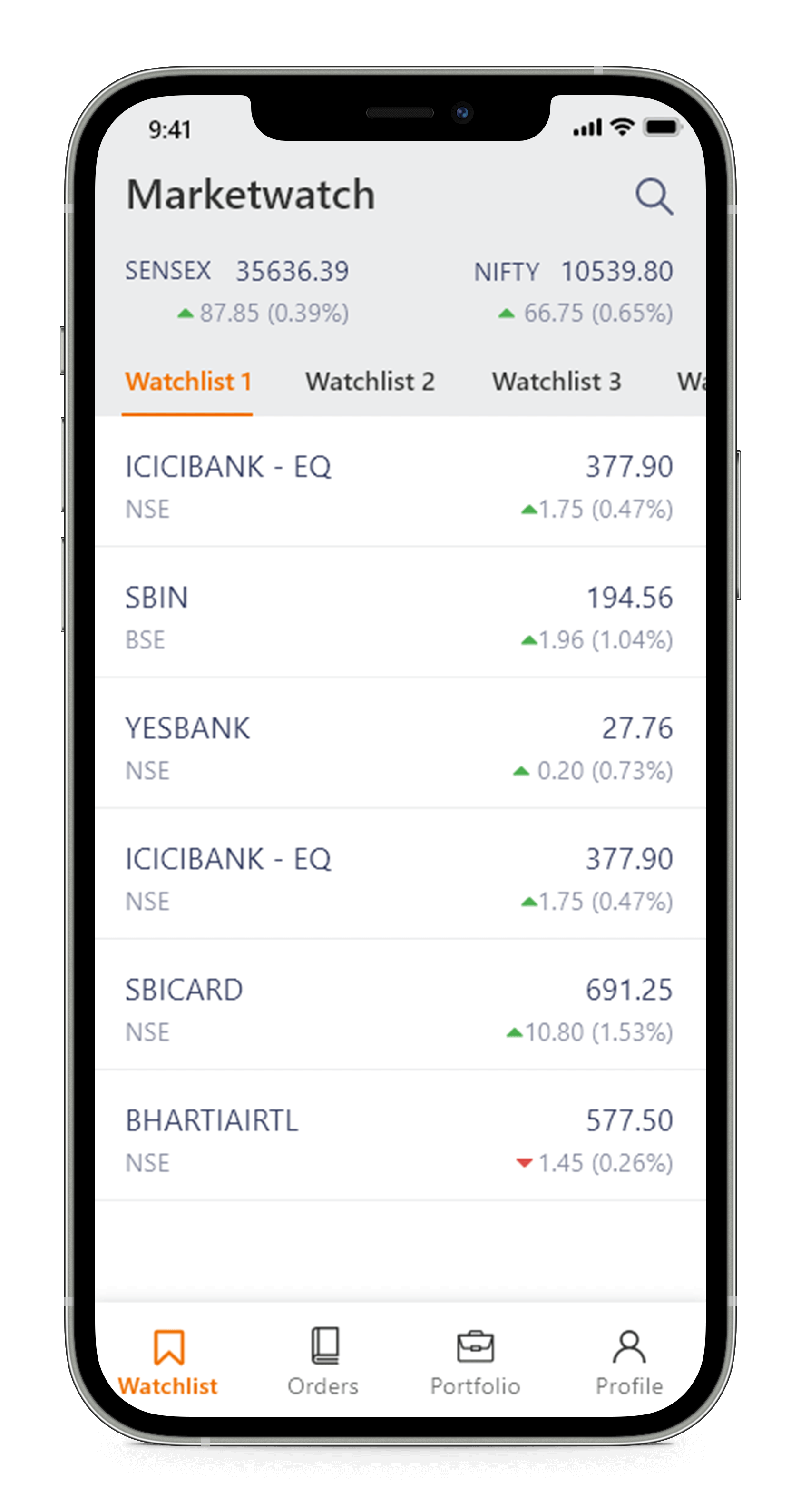
Self-serve mutual fund app with two recommendation tracks
DIY mutual fund investing for first-time Indian investors, with a toggle between risk-profile-driven picks and Findola's own research-led portfolios. Live on iOS and Android.


Audit to go-live in four steps.
Working software every two weeks, fixed-fee proposals, and a support retainer once you are live.
Integration audit
We map the rails you need, read the actual specifications, and tell you which ones will be difficult before anyone signs anything.
Contract and sandbox
Interface contracts, error taxonomy and retry policy agreed up front. Sandbox credentials obtained and validated against real payload shapes.
Build and reconcile
Working software every two weeks, with the reconciliation and failure paths built alongside the happy path in the same sprint.
Go-live and monitoring
Production certification, alerting on the flows that matter, and a support retainer for the day a counterparty changes something without telling you.
Questions buyers actually ask us.
Answered up front so you can decide if we are a fit before scheduling a call.
Do you have existing credentials with these providers?
No. Commercial relationships with BSE, the registrars or a payment gateway sit with you as the regulated entity. We work inside your credentials and help you through onboarding and certification.
Can you integrate a rail that is not on this list?
Usually yes. This page lists what we have shipped. Tell us what you need and we will say plainly whether we have done it before, because the answer changes the estimate.
Should we go direct to the RTAs or through an exchange?
It depends on volume, on whether you need folio-level control, and on how much operational load you can absorb. We have built both, and the honest answer for a smaller book is usually the exchange. We will tell you which one your situation actually calls for.
Who owns the integration code?
You do. It ships into your repository under your licence. There is no wrapper you have to keep paying us to access, and no dependency on us staying in the picture.
What happens when a counterparty changes their API?
For clients on a support retainer, we handle it. Indian financial rails change with limited notice and occasionally none at all, which is why the retainer exists.
Longer reading on the same plumbing.

Frequently asked questions.
Send us the rails. We will tell you which ones will hurt.
A short note about what you are connecting, what it feeds, and your rough timeline is enough. If we have shipped it before we will say so, and if we have not we will tell you that too.