Lending, broking, and banking platforms, built for Indian rails.
We build custom finance and banking software for Indian NBFCs, brokerages, lending firms, and digital banks. Loan origination, trading, KYC, Account Aggregator, e-NACH, e-sign, credit bureau APIs, and the regulatory plumbing it all sits on.



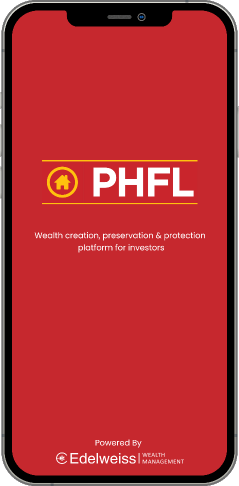
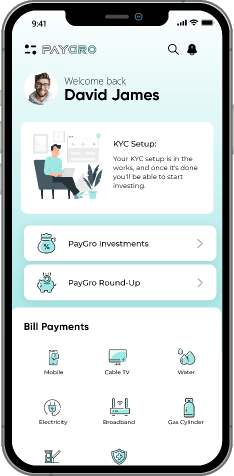
 PHFL Home FinancePaygroIndependent
The pieces that make up a working finance platform.
Every engagement is custom, but the foundation is consistent. These are the four areas that ship across most NBFC, broker, lending, and digital-bank builds.
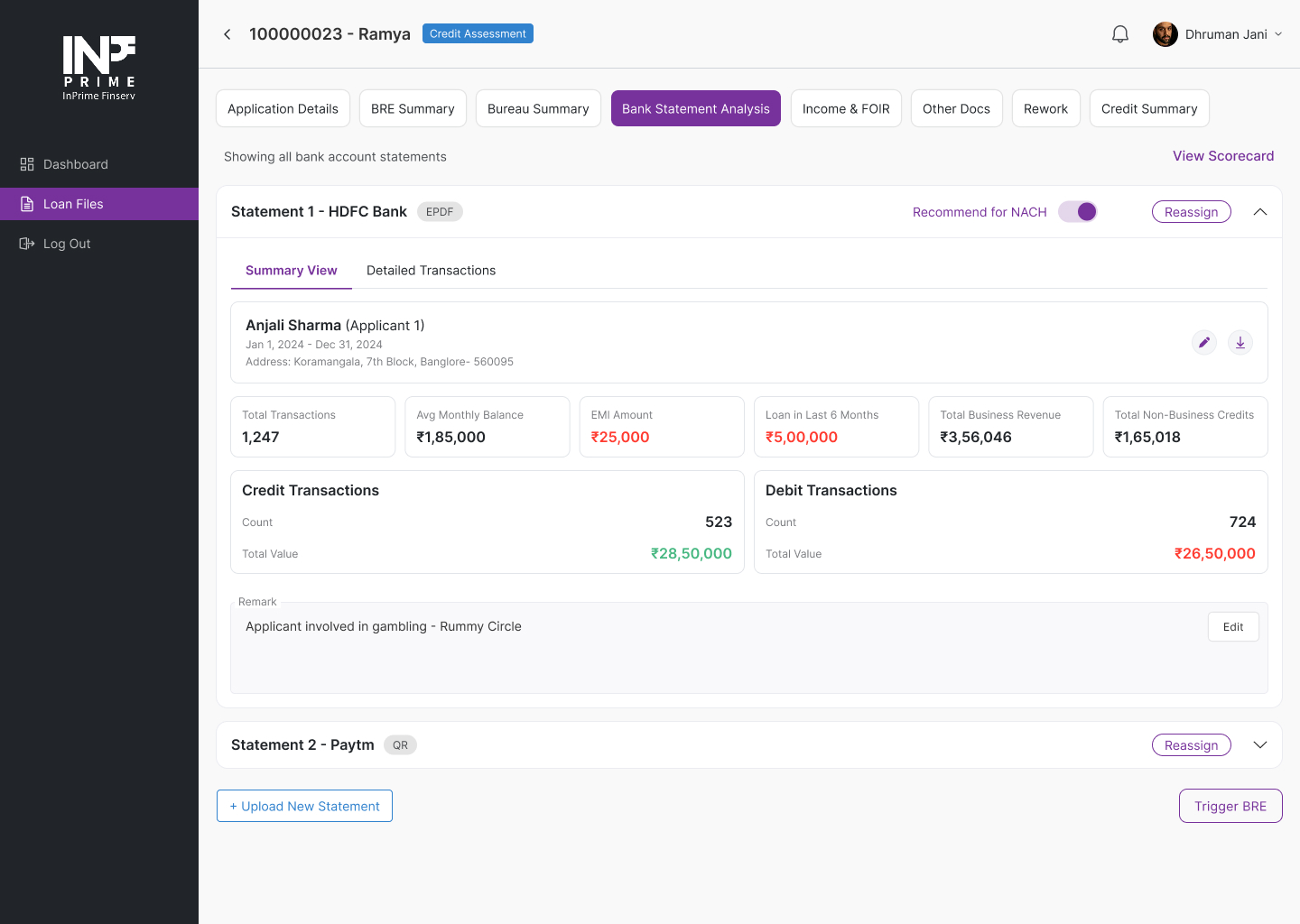
Lending & loan origination
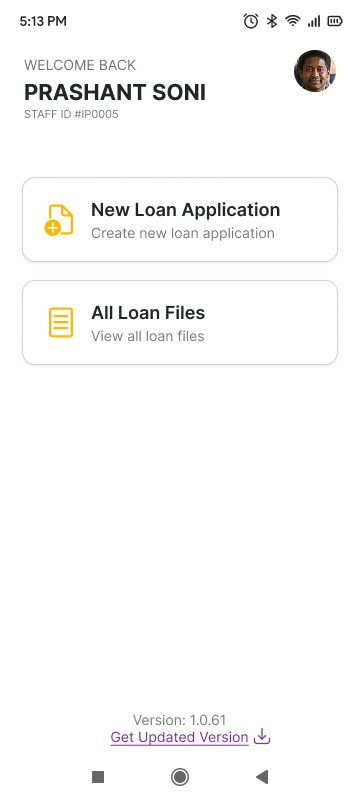
End-to-end origination for NBFCs and lending firms. KYC and re-KYC, Account Aggregator, credit bureau pulls, bank statement analysis, business rule engines, e-NACH, e-sign, and disbursement, with a credit-officer workbench built for the way underwriting actually happens.
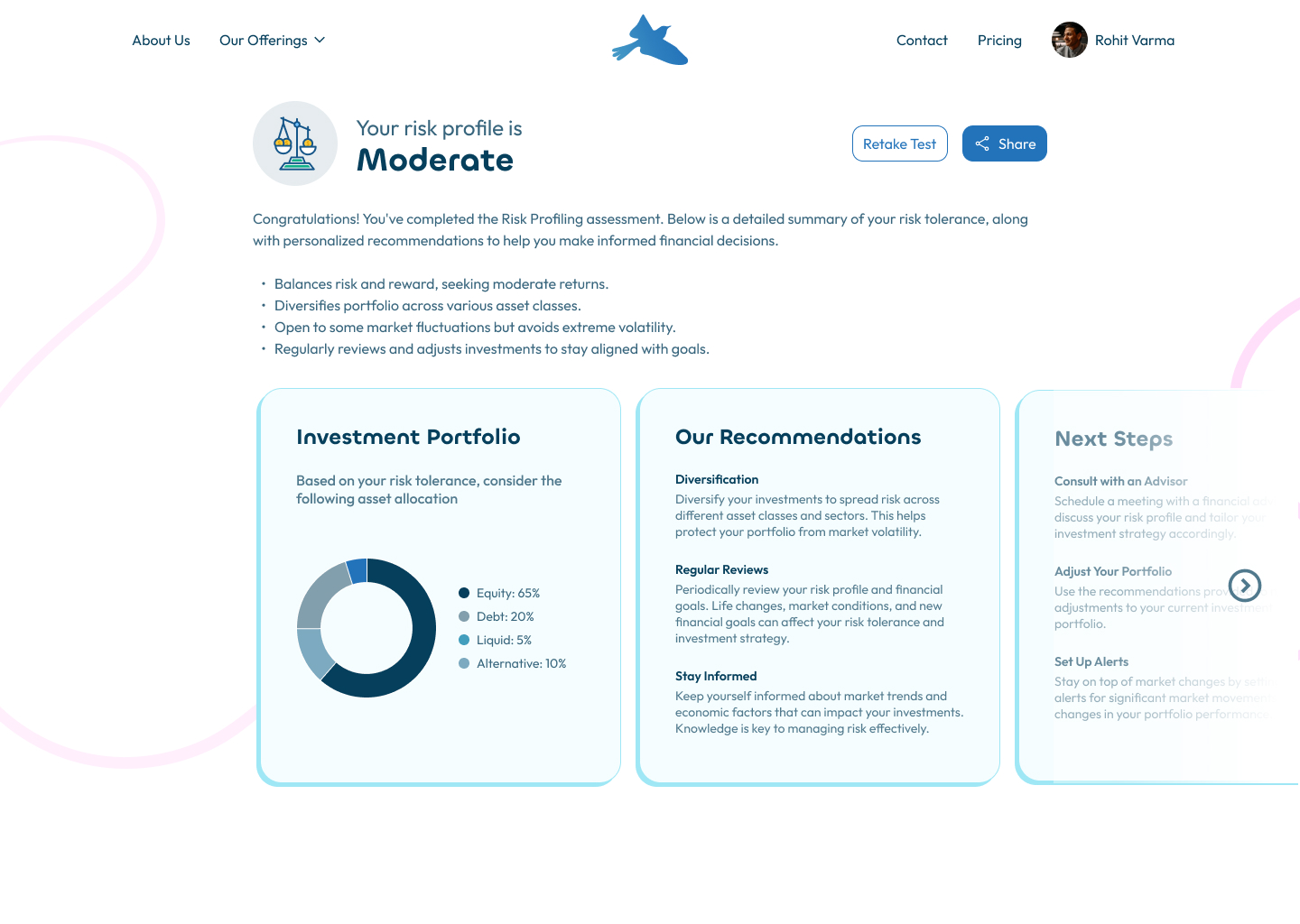
Broking & trading platforms
Web and mobile trading for stockbrokers. NSE, BSE, MCX integration, real-time market data, order management, demat via NSDL and CDSL, margin and risk, and the back-office reconciliation that keeps it all in step.
Digital banking & payments
Account opening, payments rails over UPI and IMPS, NEFT and RTGS, e-mandate setup, payment gateway plumbing, statement engines, and the customer-facing experience your service desk is no longer the only way to access.
Compliance & regulatory plumbing
Audit trails on every transaction, role-based access with segregation of duties, KYC and AML hooks, regulatory reports for RBI, SEBI, FATCA, and CRS, and a concurrent-audit access pattern. Designed in from the foundation.
Questions finance buyers actually ask us.
Answered up front so InfoSec, compliance, and the business owner can read the same page before scheduling a call.
Have you shipped on the Indian lending stack?
Yes. Account Aggregator, credit bureau APIs (CIBIL, Experian, CRIF, Equifax), bank statement analysis, business rule engines, e-NACH and e-sign, and disbursement. Live in production for InPrime Finserv.
What about the broking and trading stack?
Yes. NSE, BSE, MCX, real-time market data, order management, demat through NSDL and CDSL, margin and risk, and back-office reconciliation. We have shipped trading platforms for working brokers.
How do you handle RBI and SEBI compliance?
Compliance is in the data model. Audit trails on every action, role-based access with segregation of duties, KYC and AML hooks, FATCA and CRS reporting, and concurrent-audit access for examiners. Architecture is friendly to ISO 27001 and SOC 2 review.
Where does the platform run, and who controls the data?
Cloud-agnostic. AWS, Azure, GCP, or your private cloud. Most regulated customers prefer an India region with a DR site. You control the cloud account and the encryption keys. We follow your IT and InfoSec policy.
Who owns the code?
You do. Source, database, infrastructure-as-code, documentation. Self-host or we host, your call. No vendor lock-in.
How long until a working first version, and what about after?
Discovery to v1 in 8 to 12 weeks for focused builds, 4 to 6 months for end-to-end platforms. Fixed-fee, milestone-billed. Then 12 to 24 months of SLA-backed retainer with direct access to the engineers who built it.

The collaboration, technical expertise, and dedication shown throughout the project were commendable. Mindstack delivered a product that aligned with our vision.
Audit, KYC, and regulatory plumbing as first-class concerns.
Each pillar below is designed in from the foundation, not bolted on. The platform is built so that an InfoSec walkthrough, an RBI inspection, and a SEBI examination all read the same story.
Audit & access control
- Audit trail on every action
- Role-based access with segregation of duties
- Concurrent-audit access for examiners
KYC, AML & fraud
- Aadhaar e-KYC and DigiLocker hooks
- Account Aggregator integrated
- Sanction-list screening and case tooling
Data, encryption & residency
- India region hosting with DR site
- KMS-backed in-transit and at-rest encryption
- DPDP-aware data handling
Regulatory reporting
- RBI and SEBI mandated reports
- FATCA and CRS hooks
- ISO 27001 ready, SOC 2 friendly
A few of the platforms we’ve shipped.



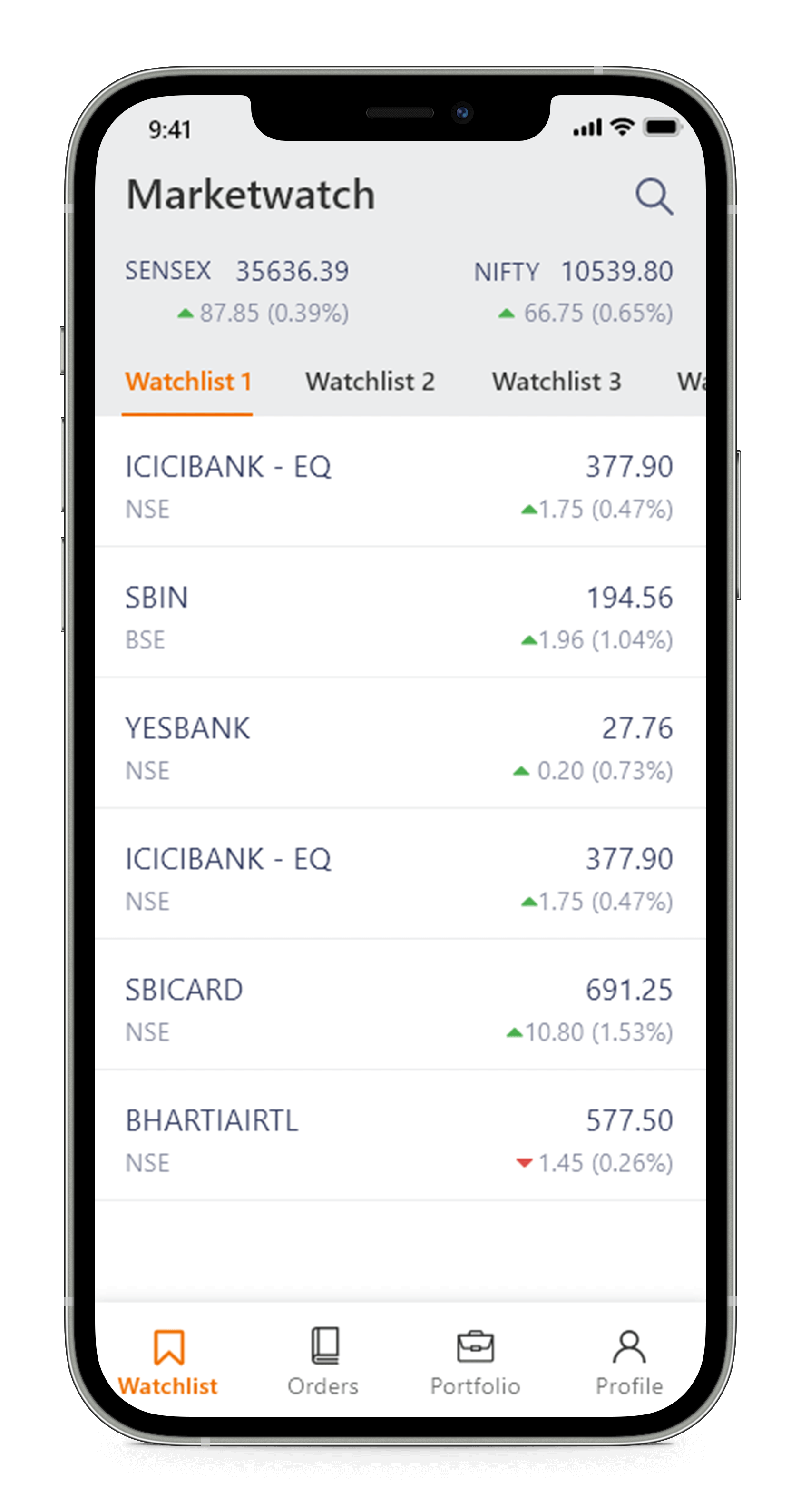
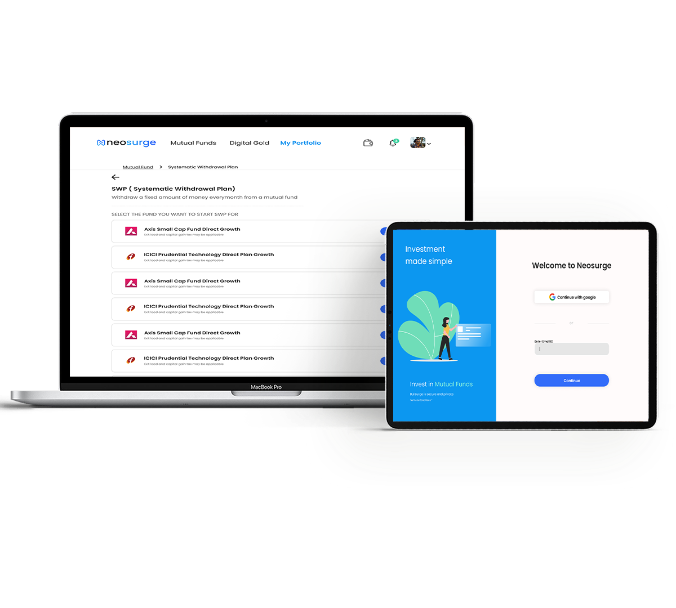
Findola Capital1L+ Downloads · Live
Self-serve mutual fund app with two recommendation tracks
DIY mutual fund investing for first-time Indian investors, with a toggle between risk-profile-driven picks and Findola's own research-led portfolios. Live on iOS and Android.


Discovery to launch in four steps.
Working software every two weeks, fixed-fee proposals, and a support retainer once you are live.
Discovery
We map workflow, integrations, and regulatory posture. Output is a clear, costed scope.
Proposal
Fixed-fee, milestone-billed, with compliance and InfoSec checkpoints baked into each milestone.
Sprint build
Working software every two weeks, with your operations and risk teams testing the workflow from week four.
Rollout & support
UAT, data migration, parallel-run cutover, and 12 to 24 months on retainer once you are live.
Tools and writing for finance product teams.
The same questions, answered in long form. Useful before you talk to anyone, including us.
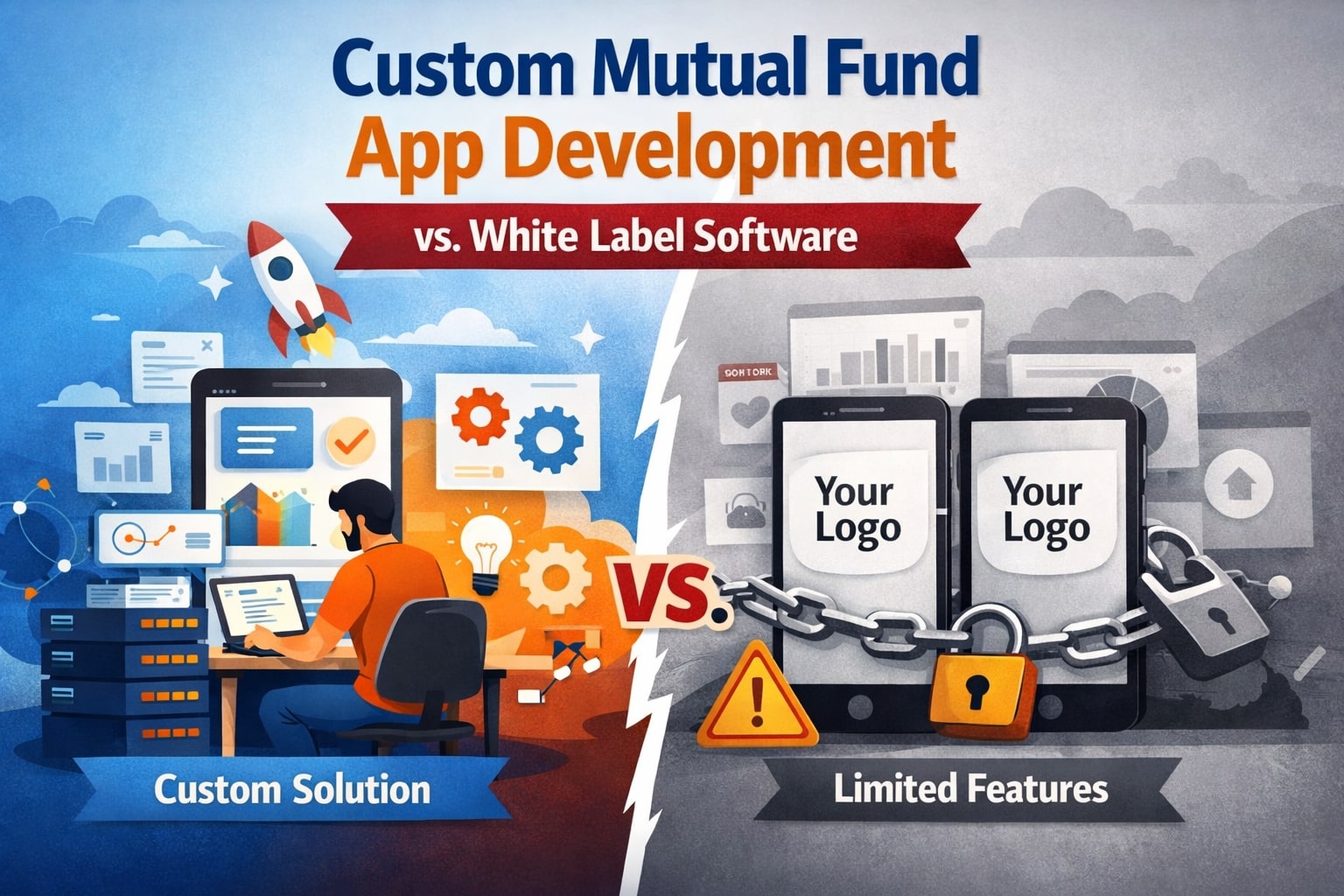
Building wealthtech in India
Architecture, integrations, regulatory plumbing, and the build-vs-buy calls every finance platform faces.
Read →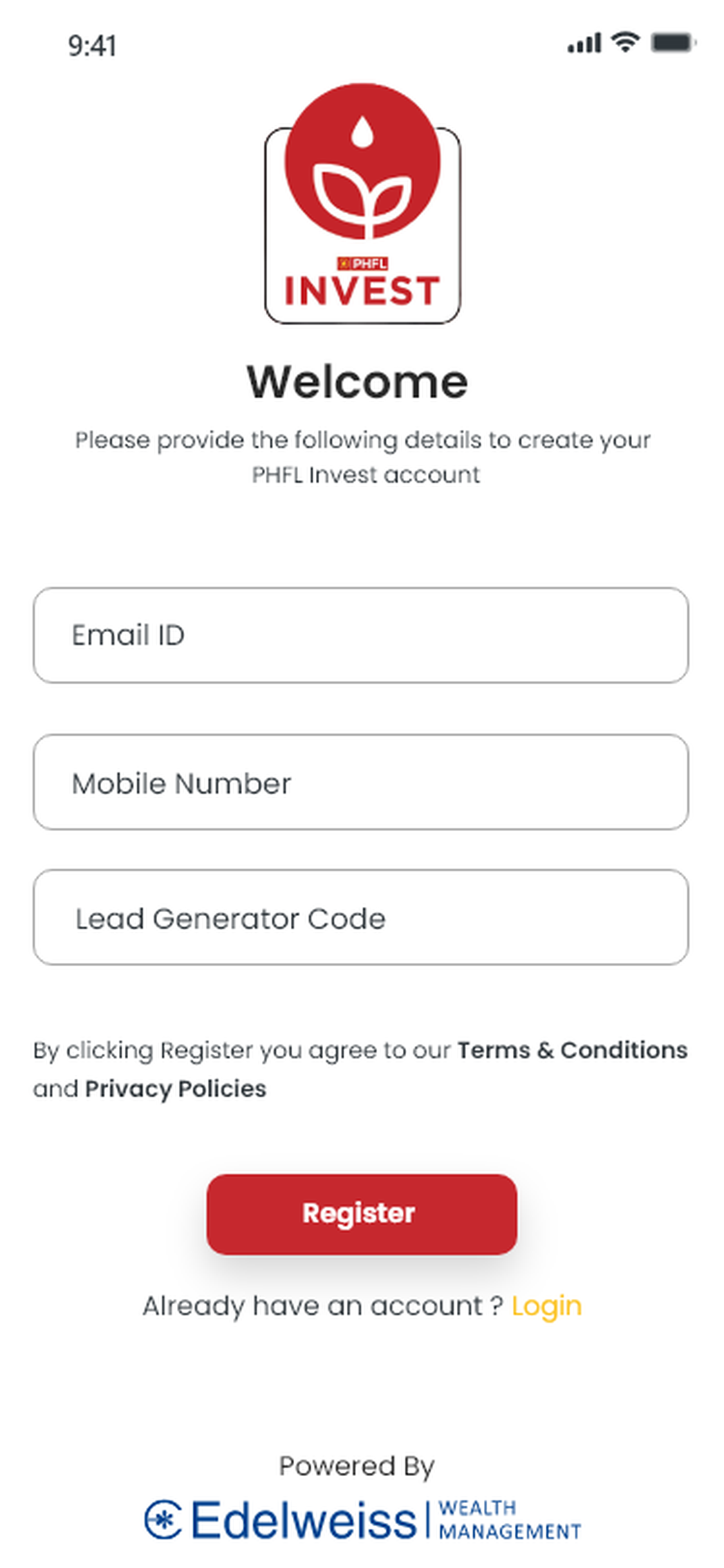
MFD software landscape, an honest take
Wealthelite, AssetPlus, Wealthy, iFAST, and where a custom build outperforms vendor SaaS.
Read →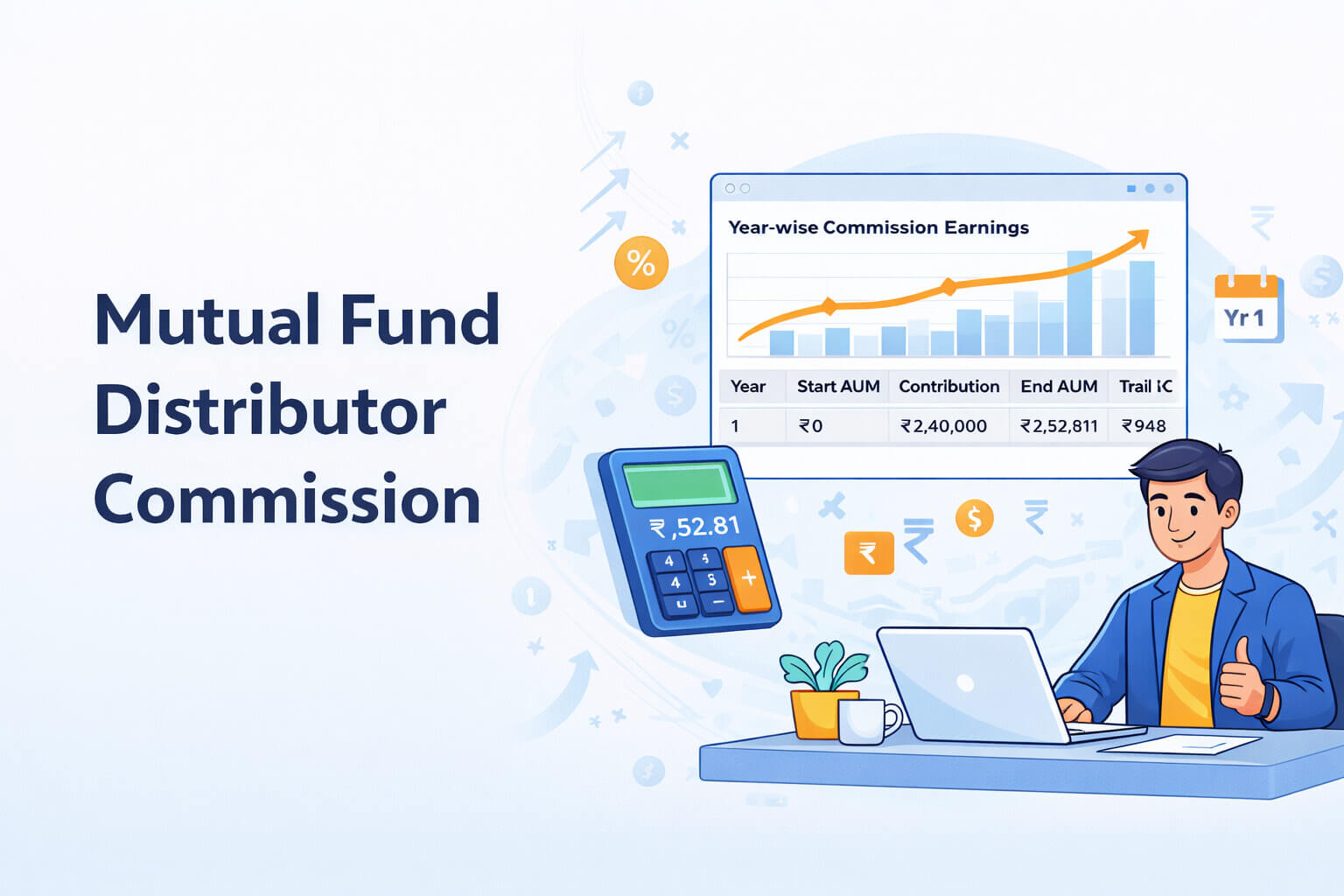
Distributor commission, in detail
Upfront, trail, B30 vs T30, GST and TDS, clawback windows. Useful when modeling the revenue plumbing of a finance platform.
Read →Frequently asked questions.
Outline the build. We’ll respond within one business day.
A short note on the kind of platform you are building, the regulator you operate under, and your rough timeline is enough to get started. If the project is a fit, we say so. If it is not, we tell you and point you somewhere better.